
These two research teams, along with last year’s award winners (2025 Leenaards Science Prize), will be honored at the Rendez-vous Health & Science event on Wednesday, 28 October, at the University of Lausanne. This event is open to the public.
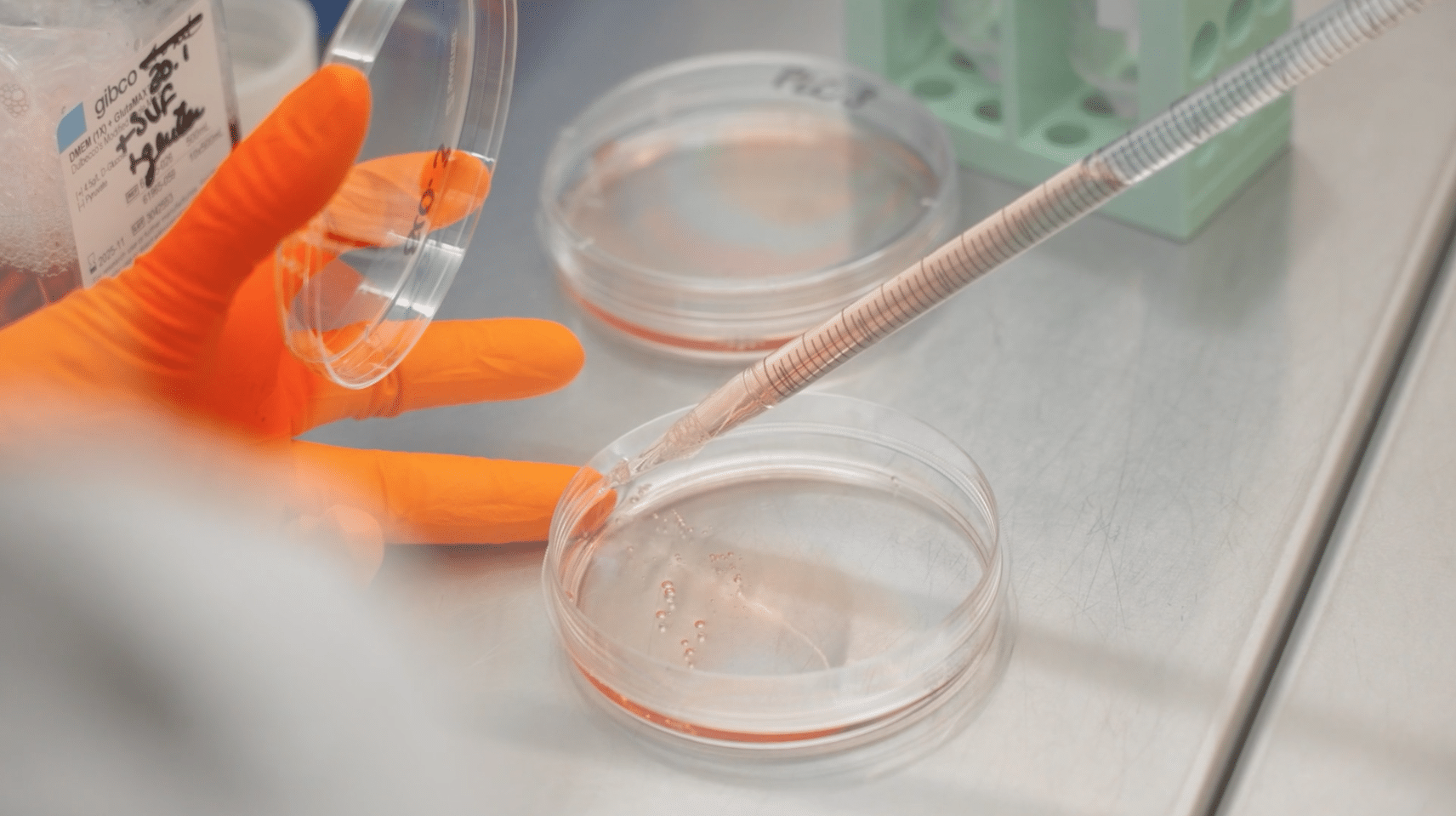
Decoding the hepatitis E virus to counter epidemics
Over 20 million people around the world are infected with hepatitis E every year, leading to at least 44,000 deaths – primarily in Africa and Asia where the genotype 1 virus (HEV-1) spreads through contaminated drinking water, triggering vast epidemics. The mortality rate among pregnant women can reach 25% in regions with poor water-purification and sanitation infrastructure. Despite this heavy toll, relatively little research has been performed on HEV-1, and hepatitis E is still largely under-diagnosed. What’s more, the virus is highly stable in the environment, meaning doctors have few tools for combating it.
A film by Noxediem
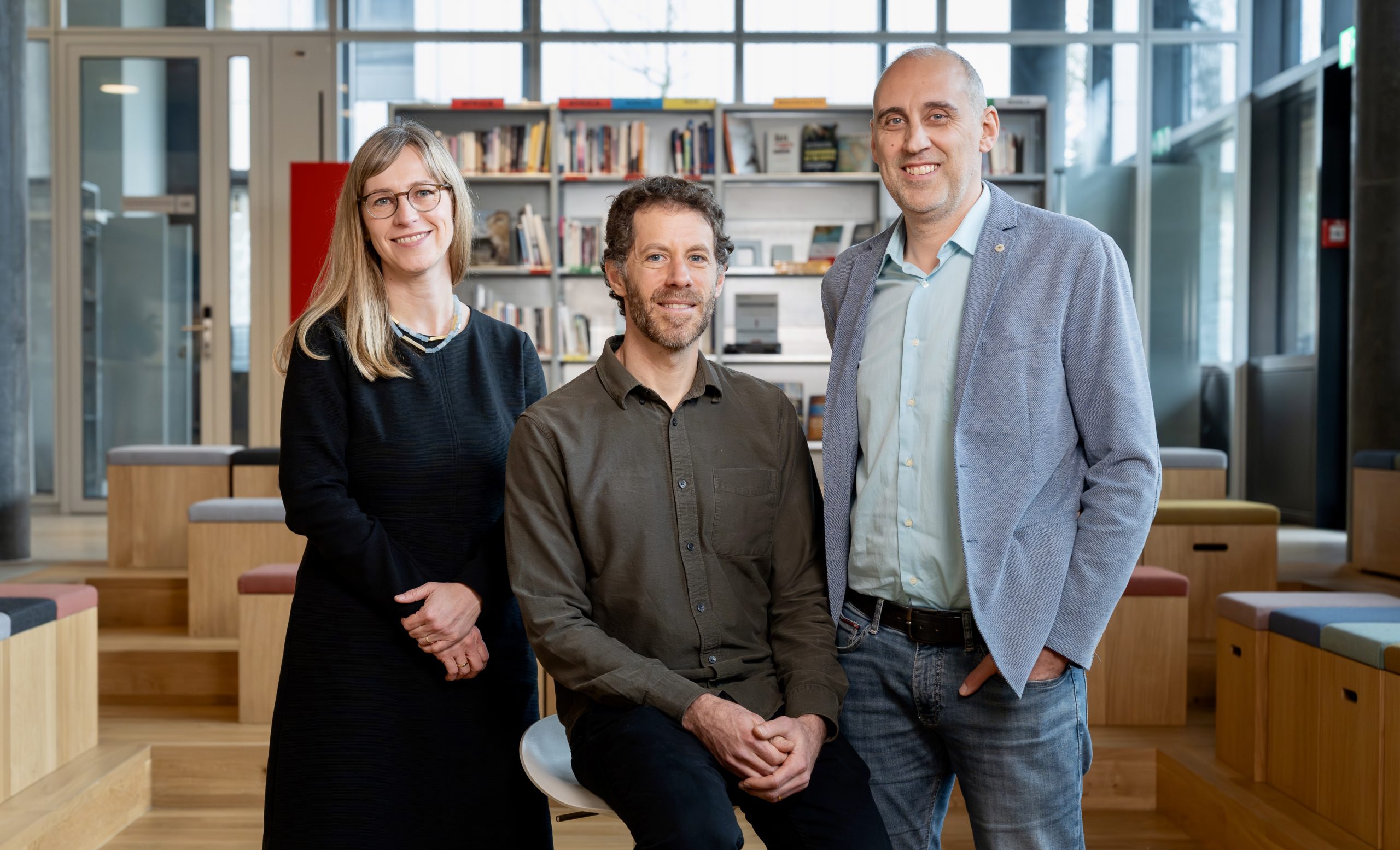
“Hepatitis E is one of the hardest diseases to deal with out in the field. Very few actionable solutions are available when an epidemic strikes,” says Prof. Eckerle, head of the Centre for Emerging Viral Diseases at HUG and a professor at the University of Geneva (UNIGE) Faculty of Medicine. She aims to address this problem through one of the two projects selected for the 2026 Leenaards Science Prize.
“Our research group’s hope is to be able to rapidly identify antiviral drug candidates in order to give doctors a treatment they can use during epidemics to help patients with severe forms of the disease,” says Dr. Eckerle a professor at the UNIGE Faculty of Medicine. She is spearheading this project alongside Jérôme Gouttenoire – a professor at the University of Lausanne (UNIL) Faculty of Biology and Medicine (FBM) and head of the Lausanne University Hospital (CHUV) gastroenterology and hepatology department – whose laboratory is conducting fundamental research on hepatitis E – and Dr. Andrew Azman, an epidemiologist at the HUG-UNIGE Centre for Emerging Viral Diseases and UNIGE who works closely with Médecins Sans Frontières (MSF) Switzerland.
Restoring cognitive function with non-invasive electrical stimulation
People’s ability to orient themselves in their surroundings – an essential function of the human brain – can be temporarily or permanently altered by even a mild traumatic brain injury (like a concussion) or some forms of epilepsy. Around 80% of traumatic brain injuries can be classified as mild to moderate and, of these, nearly 15% result in a disorder that continues more than six months after the trauma. This disorder includes impaired spatial memory, an inability to situate oneself and disorientation. “Even simple tasks like getting your bearings in a city, finding your way and remembering familiar routes can become a real challenge,” says Elena Beanato, a project manager at the HUG Outpatient Clinic for Brain and Mental Health. For now, few options are available for treating this condition.
A film by Noxediem
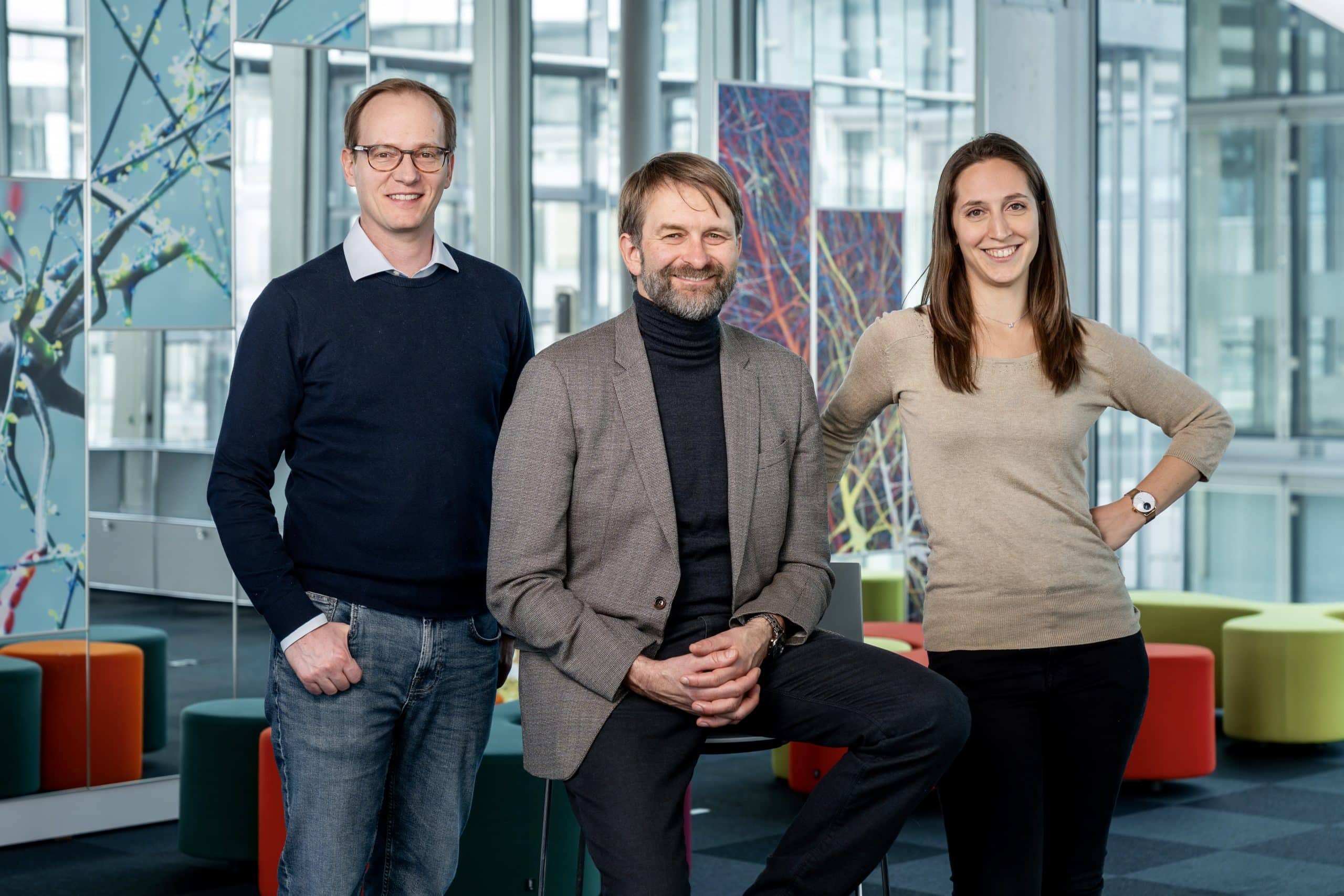
Beanato’s cross-disciplinary research group is working to change that by developing an innovative method for deep brain stimulation without invasive surgery. The team has designed a procedure that uses temporal interference to stimulate areas deep inside the brain. In their method, two high-frequency electric fields are applied to a patient’s scalp. “The two fields intersect deep within the patient’s brain and produce a modulation that can influence neural activity in a targeted way – particularly in the hippocampus, which is a key region for memory and spatial orientation,” says Elena Beanato. In this project selected for the 2026 Leenaards Science Prize, she is working with Prof. Friedhelm Christoph Hummel, head of EPFL’s Hummel Lab and associate professor at the UNIGE Faculty of Medicine, and Prof. Pierre Mégevand, a neurologist at HUG and researcher at the Human Neuron Lab at the UNIGE Faculty of Medicine.
About the Leenaards Science Prize
Every year, the Leenaards Foundation issues a call for projects in the area of translational biomedical research, with total prize money of up to CHF 1.4 million (for two or three projects). The Leenaards Prize for Translational Biomedical Research (the Leenaards Science Prize) funds projects that use cutting-edge research to address a clinical problem in an innovative way. It is intended to support translational research projects that combine fundamental and clinical approaches in order to transform scientific discoveries into medical treatments.
The 2025 call for projects resulted in 27 proposals from research groups at six institutions.
For more information
Please contact Adrienne Prudente, the head of communications at the Leenaards Foundation
+41 (0)21 351 25 55
communication@leenaards.ch
Documents for the press:
www.leenaards.ch/presse